Blood Cleanup
Blood cleanup clears blood from furniture, walls, hard floors and carpet, followed by safe disposal.
See blood cleanupArrange school and daycare biohazard cleanup in Greenville for blood, bodily fluids, sharps and contaminated materials. Work can be planned outside class hours when the site and situation allow.
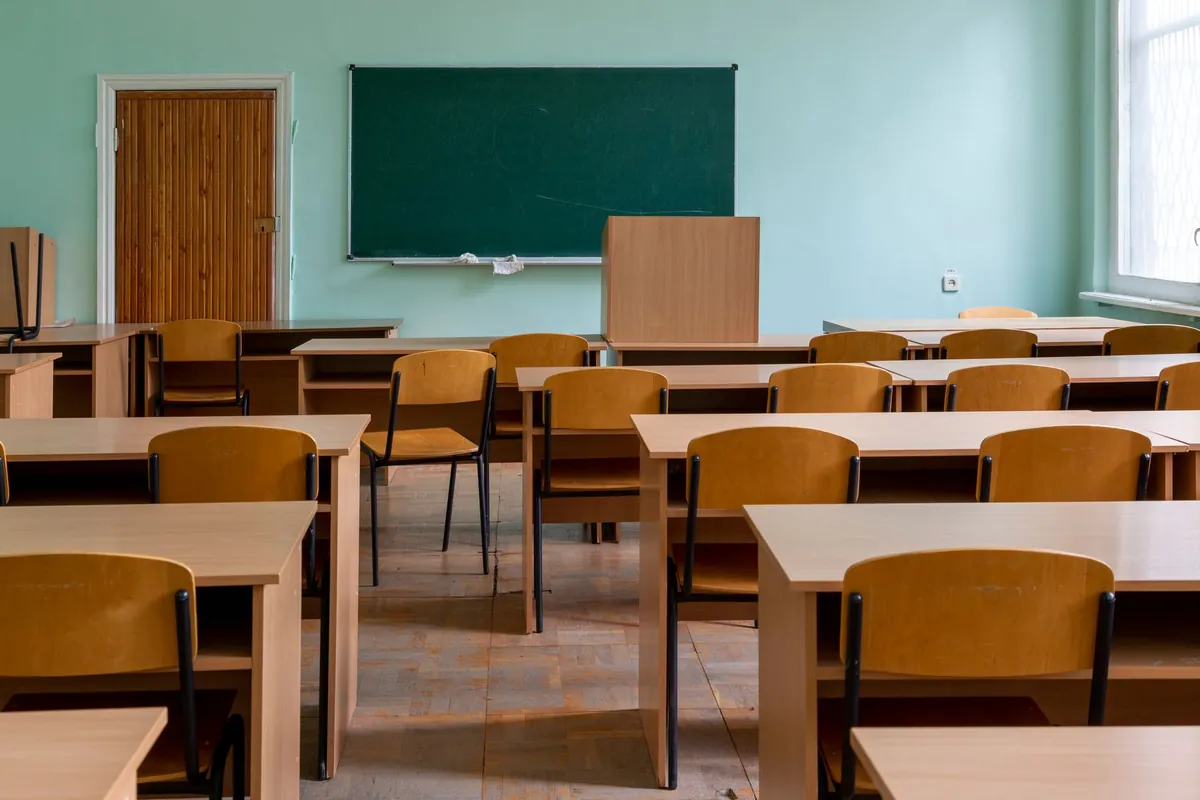
Biohazard cleanup at education and childcare properties is a controlled process for removing contaminated materials such as blood, bodily fluids and sharps, then cleaning and disinfecting the affected space.
This type of cleanup requires more than ordinary school cleaning. Once the affected space is defined, surrounding rooms and surfaces are protected. Trained technicians take away waste, remove visible soil and disinfect hard surfaces according to the label contact time. They also inspect materials that might have soaked up contamination.
Education biohazards may affect a bus, classroom, restroom, cafeteria, nurse office, playground structure or employee area. No two events have the same scope. Cleanup decisions reflect the incident, how far fluid moved and the surfaces or items involved. School leaders can arrange the timing, control entry to the building and protect student privacy throughout the work.
You know in advance which areas stay off limits, which items can be cleaned and what could have to come out.
Rather than relocating belongings without approval, workers can separate backpacks, classroom supplies and personal property until the school contact decides what happens next.
Crews can arrive in unmarked vehicles, and work areas can be kept out of view to support student, family and staff privacy.
For property owners, administrators and insurance companies, the completed file can organize the defined scope, photos and any disposal documents.
School biohazard cleanup services are appropriate when routine custodial methods cannot safely address the amount, location or type of contamination. Cleanup involves careful control of affected areas so contamination is not carried into occupied rooms. Common situations include:
The affected spaces stay closed for cleaning and disinfection, which is arranged for a time when children are away.
Someone finds an abandoned needle, lancet or damaged sharp in a school bathroom, outside on campus or by playground space.
Bodily fluids on seats, flooring or hard surfaces where students and drivers could carry residue into other areas.
Bodily fluids such as urine, feces or vomit reach soft materials or extend outside one limited area.
Begin by protecting students and staff, keeping private information secure and preventing material from moving elsewhere. Initial decisions should follow the school's emergency plan. Before the cleaning team starts:
Call (888) 440-9227Published cost guides do not give a range limited to school projects. Fixr reports that typical general biohazard work nationally costs $3,000 to $5,000 and its complete published span is $1,500 to $25,000. The residential figure from Yelp runs from $1,800 to $4,500 while most residential projects are $2,500 to $8,000 according to the BioRecovery cost guide. A school's affected materials, work area, access needs and waste determine its price.
Published national cost guides are the source for these ranges, rather than an inspection of your property. An on-site assessment determines your property's price, which is explained to you before the cleanup starts.
Ask about cost: (888) 440-9227A liability or commercial property policy might pay for biohazard cleanup at a school, depending on the event, deductible and coverage terms. The property owner, daycare operator, district or school should report what happened, then ask the insurance company which records are needed to proceed.
Before discarding anything, find out what the insurance company requires. Documentation of the loss may include pictures, invoices, waste paperwork and a description of the completed work.
Check if property insurance includes both the event that caused contamination and the required cleaning. Save both the claim number and guidance given by your insurance adjuster.
Homeowners or renters insurance is usually the first place to ask about cleanup costs. After a death the estate often pays, and in a rental the owner usually arranges the cleanup.
The rental agreement may allocate duties to both the daycare operator and the building owner. If responsibility is unclear, check the lease and contact both insurance companies.
A controlled series of steps guides biohazard remediation at a school. The professionals doing the work plan around building entry, the location of contamination and the need to prevent unauthorized employees and students from entering.
Cleanup technicians identify visible contamination, likely paths of travel, porous materials, nearby rooms and any access or privacy limits.
The work zone is marked and separated so people cannot enter, and clean paths are set for equipment and waste.
Protective equipment is selected to match the particular hazard. Sharps go directly into puncture-resistant receptacles after being gathered with appropriate tools.
When disinfection cannot reach the entire material, affected carpet pad, unfinished lumber, ceiling tile, soft toys or comparable items are removed and separated for disposal.
Visible material is removed before disinfection. Workers follow an orderly path across hard surfaces, beginning in cleaner sections and moving toward contamination.
On surfaces that can accept them, EPA-registered disinfectants stay visibly wet for the complete label-specified contact period.
Contaminated materials are contained, identified and moved away from student areas, with disposal following the state and local rules that apply.
The completed scope is checked with the school contact, and photos, disposal records or other requested documentation are organized for facility files.
Call any hour. You speak with a school and daycare biohazard cleanup specialist who outlines the process and schedules a start time with you.
Serious health risks may come from bodily fluids, blood or contaminated sharp objects. Addressing them requires protective gear, controlled cleaning procedures and proper care when discarding waste.
HIV and hepatitis B and C are among the hazards blood may carry. The CDC says hepatitis B can survive on surfaces for at least seven days, so dried blood still needs careful treatment.
Children frequently put their hands on toys, flooring and common surfaces. Keeping people out of the affected area helps stop hands, shoes and portable belongings from transferring residue.
Carpet backing, baseboards, unsealed wood, grout and floor gaps can absorb liquid. Cleaning only what you can see does not treat contamination left behind below the surface.
Can you clean it yourself? When the school's exposure control plan permits the task, a worker with training may manage a limited spill on solid, non-absorbent material by wearing protective equipment and keeping an EPA-registered disinfectant wet for its labeled contact period. Professional cleanup is appropriate when the contamination enters porous surfaces, has no clear limits, involves sharps or falls outside the site's safe response ability.
Whether an item stays depends in part on its material. Non-porous surfaces can often be disinfected and cleaned, while porous items may need removal when contamination has soaked beyond reach. Afterward, restoration may be required for removed fixtures, walls or floors.
The schedule depends on how much space is involved, what the surfaces are made of, the volume of waste and when crews can enter the property. A hard-surface job with a limited scope is shorter than one requiring carpet, furniture or wall material to be taken out. The closed area should remain off limits to staff and students until the school contact authorizes their return.
| Scene | Typical time on site |
|---|---|
| Limited hard-surface school area | Usually the shortest scope after access is cleared |
| Daycare and school rooms with several surface types | The schedule grows when furnishings and personal property need separate decisions |
| Several rooms or porous material removal | Work lasts longer when items require removal, disposal and restoration |
Odor removal begins by locating and removing contaminated material. Fragrance alone does not clean a biohazard, and it can make it harder to tell whether the source remains in carpet, furniture, wall cavities or drains.
Once the source is gone, remaining odor may be addressed with HEPA air filtration, controlled treatments and cleaning of compatible parts in the ventilation system. Equipment needs to be appropriate for an occupied school or childcare property. Keep students and staff without authorization outside the treatment area. The school contact must confirm when reopening is allowed.
The full school and daycare biohazard cleanup guide covers what is cleaned or removed, odor and air quality work, and the rules that apply in Louisiana and Orleans Parish.
Read the full school and daycare biohazard cleanup guidePlanning for access, containment and cleanup can depend on local population, housing and entry conditions.
Greenville is listed about 1.1 miles from Childrens Hospital, a relevant distance when prompt evaluation follows a biohazard exposure.
With Black Pearl, Uptown Historic District, and Leonidas close by, accurate street and unit details help avoid confusion during a sensitive response.
In Greenville, identifying the correct building entrance can reduce unnecessary movement through shared spaces during a sensitive cleanup.
You can ask about cleanup in nearby communities and ZIP codes during the call.
Blood cleanup clears blood from furniture, walls, hard floors and carpet, followed by safe disposal.
See blood cleanup
Cleanup that controls hepatitis B, hepatitis C and HIV exposure from blood.
See bloodborne pathogen cleanup
Homes, care environments and businesses receive bodily fluid cleanup and disinfection.
See bodily fluid cleanup
Disinfection after vomit cleanup keeps norovirus and other germs from spreading further.
See vomit cleanup
Disinfection accompanies human feces cleanup in public restrooms, homes and rental properties.
See human feces cleanup
Cleanup removes sharps and needles from parks, rental sites, yards and encampments.
See needle and sharps cleanup
All surfaces receive full coverage with EPA-registered products for infectious disease disinfection.
See infectious disease disinfection
Sealed containers with labels hold biohazard waste during collection and disposal.
See biohazard waste disposalCoverage may apply. Payment eligibility varies with the cause, the applicable commercial property or liability insurance terms and the policy deductible. Report the incident, save the claim number and ask what documentation the adjuster needs. Both the property owner and childcare operator may need notification if the space is rented.
No. Obvious material comes off before disinfection, and an absorbent item may have to be discarded if the contamination penetrated it. Use only an EPA-registered disinfectant appropriate for the surface and maintain wetness for the entire contact time shown on the label. Cleanup requires more than scent products or briefly spraying the area.
Block access for everyone, and never use your hands to collect, bend or place a cap on the needle. Using suitable tools, a trained individual transfers the item straight to a sharps container designed to resist punctures. The sharps container is discarded under applicable state and local rules.
Cleaning and disinfection may preserve compatible plastic, non-porous glass, metal and tile with an intact seal. When liquid penetrates, absorbent items such as carpet padding, bare lumber and ceiling panels might have to be taken out. Before selecting how to clean them, separate personal property, electronic devices and student files for individual evaluation.
Call when contamination involves more than a small hard-surface spot, reaches carpet or furniture, includes a needle, spreads across an unclear area or exceeds the school's exposure control plan. Block access for staff and children until an administrator can evaluate what happened and make proper cleanup arrangements.
Yes, work can often be planned outside class or care hours when site access and the situation allow. The room must stay inaccessible from discovery through cleaning and afterward, until your designated site representative confirms that work has ended and normal activities may resume.
You can request respectful, discreet school and daycare biohazard cleanup 24 hours a day, and crews use unmarked vehicles.